

Workshops
Registration includes access to four workshops with sought-after Christian leaders, teachers, authors, speakers, and coaches. All of our training and workshops have a biblical foundation and will help you integrate God’s Word into your life, ministry and work.
You can choose from 36 training workshops.
Note that there are morning and afternoon options.
Workshops
Registration includes access to four workshops with sought-after Christian leaders, teachers, authors, speakers, and coaches. All of our training and workshops have a biblical foundation and will help you integrate God’s Word into your life, ministry and work.
General
Deeperwalk
Christian Chaplains and Coaching
The Church Cares
Friday, October 2
Morning workshops 8:00 – 9:15 am
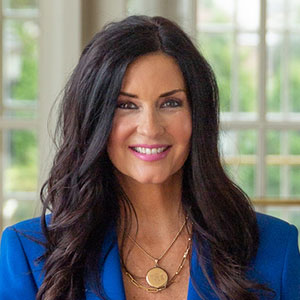
Professional, mental, and spiritual pressure for coaches, counselors and ministry leaders is at an all-time high in our world right now. Knowing how to effectively handle life’s challenges often makes or breaks one’s influence and outcomes as strong voices who are able to help steer the lives of others in uncertain times. Come and learn how to thrive no matter the presenting situation or circumstances.
Learning Objectives
Participants will:
- Learn how pressure is part of a person’s faith journey and how to expect and embrace it, rather than seeking an escape, so that clients can then develop their own understanding and strategies as they grow spiritually.
- Develop the ability to settle issues of conformity—what you are coming into agreement with spiritually and internally—no matter your niche or specialty, realizing that what is IN YOU, is often transferred to others.
- Acquire principles on how pressure can result in an enlarged capacity, as well as develop the ability to carry greater vision, a higher leadership standard for yourself, and a balanced spiritual authority so your clients will also mature and grow.
Professional, mental, and spiritual pressure for coaches, counselors and ministry leaders is at an all-time high in our world right now. Knowing how to effectively handle life’s challenges often makes or breaks one’s influence and outcomes as strong voices who are able to help steer the lives of others in uncertain times. Come and learn how to thrive no matter the presenting situation or circumstances.
Learning Objectives
Participants will:
- Learn how pressure is part of a person’s faith journey and how to expect and embrace it, rather than seeking an escape, so that clients can then develop their own understanding and strategies as they grow spiritually.
- Develop the ability to settle issues of conformity—what you are coming into agreement with spiritually and internally—no matter your niche or specialty, realizing that what is IN YOU, is often transferred to others.
- Acquire principles on how pressure can result in an enlarged capacity, as well as develop the ability to carry greater vision, a higher leadership standard for yourself, and a balanced spiritual authority so your clients will also mature and grow.

- Visit speaker's site
- Visit speaker's site
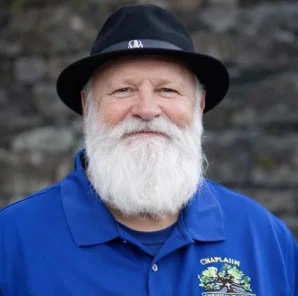
Clinical Pastoral Education (CPE) is an experiential learning process that forms chaplains through real encounters with people in crisis. Rooted in a biblical Christian worldview, this workshop explores how CPE develops self-awareness, pastoral identity, and compassionate spiritual care through the action–reflection learning model. Participants will discover how supervised ministry, peer learning, and theological reflection help caregivers become “keepers of the sacred presence” as they walk alongside individuals who are facing grief, trauma, and spiritual distress.
Learning Objectives
Participants will:
- Understand the purpose and foundational principles of Clinical Pastoral Education from a biblical perspective.
- Explore and Learn strategies on how the action–reflection model develops self-awareness and pastoral identity.
- Identify ways CPE prepares chaplains to offer compassionate spiritual care in diverse ministry settings.
Clinical Pastoral Education (CPE) is an experiential learning process that forms chaplains through real encounters with people in crisis. Rooted in a biblical Christian worldview, this workshop explores how CPE develops self-awareness, pastoral identity, and compassionate spiritual care through the action–reflection learning model. Participants will discover how supervised ministry, peer learning, and theological reflection help caregivers become “keepers of the sacred presence” as they walk alongside individuals who are facing grief, trauma, and spiritual distress.
Learning Objectives
Participants will:
- Understand the purpose and foundational principles of Clinical Pastoral Education from a biblical perspective.
- Explore and Learn strategies on how the action–reflection model develops self-awareness and pastoral identity.
- Identify ways CPE prepares chaplains to offer compassionate spiritual care in diverse ministry settings.

Lasting change often requires more than insight alone. Coaches and counselors frequently encounter individuals who understand what they need to do but struggle to sustain personal and spiritual growth. This workshop explores how relational neuroscience, attachment, and identity formation influence the brain’s capacity for transformation. Participants will examine how emotional regulation, relational connection, and neurotype differences—including those seen in neurodivergent individuals—impact engagement, resilience, and long-term change in coaching and counseling contexts.
Learning Objectives
Participants will:
- Identify how relational brain states influence an individual’s capacity for change, including the impact of stress, emotional regulation, relational activation and disconnection, and motivation.
- Apply neuroscience-informed strategies that support connection, emotional regulation, and sustainable behavioral change through joy, identity reinforcement, and relational safety.
- Describe how neurotype and attachment differences affect engagement, processing, sensory load, resilience, long-term transformation, and outcomes in coaching and counseling relationships.
Lasting change often requires more than insight alone. Coaches and counselors frequently encounter individuals who understand what they need to do but struggle to sustain personal and spiritual growth. This workshop explores how relational neuroscience, attachment, and identity formation influence the brain’s capacity for transformation. Participants will examine how emotional regulation, relational connection, and neurotype differences—including those seen in neurodivergent individuals—impact engagement, resilience, and long-term change in coaching and counseling contexts.
Learning Objectives
Participants will:
- Identify how relational brain states influence an individual’s capacity for change, including the impact of stress, emotional regulation, relational activation and disconnection, and motivation.
- Apply neuroscience-informed strategies that support connection, emotional regulation, and sustainable behavioral change through joy, identity reinforcement, and relational safety.
- Describe how neurotype and attachment differences affect engagement, processing, sensory load, resilience, long-term transformation, and outcomes in coaching and counseling relationships.

What does it mean to pursue Gospel-centered addiction recovery? What is it, really? What is it not? And why does it matter? This workshop explores and clarifies the definition, role, and application of faith-based addiction recovery at multiple levels for those struggling with various entanglements. It helps bridge the gap between the physical, emotional, cognitive, relational, and spiritual aspects of addiction. Drawing from Scripture, Jon’s past addiction, and real-life ministry experience, participants will learn how to address addiction holistically with a Gospel-centered framework for lasting change.
Learning Objectives
Participants will:
- Differentiate between sobriety-focused approaches and Gospel-centered models of addiction recovery.
- Explain the multidimensional nature of addiction, including physical, emotional, and spiritual factors, especially as it pertains to people of faith.
- Identify common challenges and misconceptions among church communities for supporting individuals in recovery, and describe more effective, integrated tools and approaches.
What does it mean to pursue Gospel-centered addiction recovery? What is it, really? What is it not? And why does it matter? This workshop explores and clarifies the definition, role, and application of faith-based addiction recovery at multiple levels for those struggling with various entanglements. It helps bridge the gap between the physical, emotional, cognitive, relational, and spiritual aspects of addiction. Drawing from Scripture, Jon’s past addiction, and real-life ministry experience, participants will learn how to address addiction holistically with a Gospel-centered framework for lasting change.
Learning Objectives
Participants will:
- Differentiate between sobriety-focused approaches and Gospel-centered models of addiction recovery.
- Explain the multidimensional nature of addiction, including physical, emotional, and spiritual factors, especially as it pertains to people of faith.
- Identify common challenges and misconceptions among church communities for supporting individuals in recovery, and describe more effective, integrated tools and approaches.
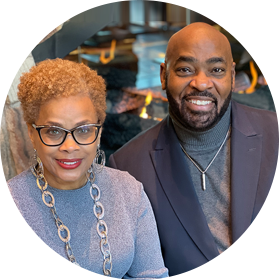
Artificial intelligence is rapidly shaping how helping professionals prepare, communicate, and support those in their care. This workshop introduces practical ways AI can be used to enhance coaching, counseling, and ministry effectiveness while maintaining ethical standards and relational integrity. Participants will explore how AI technology and platforms can contribute to faith-based communication, organization, and resource development, while also understanding appropriate boundaries to ensure that human connection, spiritual discernment, and professional judgment remain central to care.
Learning Objectives:
Participants will:
- Identify practical ways AI tools can support communication, social media applications, session preparation, and organization in coaching and helping contexts.
- Explain key faith-based and ethical considerations, including boundaries, confidentiality, and appropriate use of technology in care settings.
- Apply basic strategies for integrating AI tools to enhance efficiency while maintaining relational and professional integrity.
Artificial intelligence is rapidly shaping how helping professionals prepare, communicate, and support those in their care. This workshop introduces practical ways AI can be used to enhance coaching, counseling, and ministry effectiveness while maintaining ethical standards and relational integrity. Participants will explore how AI technology and platforms can contribute to faith-based communication, organization, and resource development, while also understanding appropriate boundaries to ensure that human connection, spiritual discernment, and professional judgment remain central to care.
Learning Objectives:
Participants will:
- Identify practical ways AI tools can support communication, social media applications, session preparation, and organization in coaching and helping contexts.
- Explain key faith-based and ethical considerations, including boundaries, confidentiality, and appropriate use of technology in care settings.
- Apply basic strategies for integrating AI tools to enhance efficiency while maintaining relational and professional integrity.
What distinguishes leaders who inspire trust and engagement from those we follow and who struggle to connect? Research in neuroscience and leadership development points to emotional maturity as a key factor. This workshop introduces four core habits associated with mature and “rare” leadership, integrating research-based insights and scriptural principles with practical application. Participants will explore how these habits influence relationships, decision-making, and organizational culture in ministry, counseling, and leadership settings.
Learning Objectives
Participants will:
- Describe foundational neuroscience principles that inform the four habits of emotionally mature leadership practice.
- Identify key behavioral strategies associated with the development of mature leadership habits.
- Explain how “rare” and emotionally mature leadership can positively influence and transform culture.
What distinguishes leaders who inspire trust and engagement from those we follow and who struggle to connect? Research in neuroscience and leadership development points to emotional maturity as a key factor. This workshop introduces four core habits associated with mature and “rare” leadership, integrating research-based insights and scriptural principles with practical application. Participants will explore how these habits influence relationships, decision-making, and organizational culture in ministry, counseling, and leadership settings.
Learning Objectives
Participants will:
- Describe foundational neuroscience principles that inform the four habits of emotionally mature leadership practice.
- Identify key behavioral strategies associated with the development of mature leadership habits.
- Explain how “rare” and emotionally mature leadership can positively influence and transform culture.
Healthy marriages are strengthened and grow when spouses better understand and respond to one another’s relational needs. This workshop presents a dynamic, faith-based, and research-informed framework for identifying and addressing key relational needs of men within marriage. Drawing from insights and real-life stories gathered through groundbreaking research with over 700 couples across diverse settings, participants will explore how unmet needs can impact communication, connection, and emotional and spiritual intimacy. Practical and field-tested strategies will be provided to equip coaches and counselors with tools that foster healthier, more connected relationships.
Learning Objectives
Participants will:
- Describe the key relational needs of men and husbands from groundbreaking research, and commonly identified within marriage, as well as the impact on connection and communication.
- Identify strategies for helping couples recognize and respond to one another’s relational needs in a healthy and balanced way.
- Apply a structured assessment approach using the “Love Needs Assessment” to support relational growth in marriage and within the context of various caregiving roles.
Healthy marriages are strengthened and grow when spouses better understand and respond to one another’s relational needs. This workshop presents a dynamic, faith-based, and research-informed framework for identifying and addressing key relational needs of men within marriage. Drawing from insights and real-life stories gathered through groundbreaking research with over 700 couples across diverse settings, participants will explore how unmet needs can impact communication, connection, and emotional and spiritual intimacy. Practical and field-tested strategies will be provided to equip coaches and counselors with tools that foster healthier, more connected relationships.
Learning Objectives
Participants will:
- Describe the key relational needs of men and husbands from groundbreaking research, and commonly identified within marriage, as well as the impact on connection and communication.
- Identify strategies for helping couples recognize and respond to one another’s relational needs in a healthy and balanced way.
- Apply a structured assessment approach using the “Love Needs Assessment” to support relational growth in marriage and within the context of various caregiving roles.

Counselors and other caregivers often work with those who have experienced loss and its associated grief. Loss is a common, yet deeply personal experience that can significantly impact emotional, relational, spiritual, and psychological well-being. This workshop explores the nature of grief and the various forms of loss individuals may encounter. Participants will gain a deeper understanding of how grief manifests and learn practical approaches for supporting individuals through the grieving process. Emphasis will be placed on compassionate and spiritual care, and helping individuals move toward healing and growth.
Learning Objectives
Participants will:
- Identify different types of loss (concrete, abstract, threatened, and ambiguous), and how they impact individuals emotionally, relationally, and spiritually.
- Explain the nature of grief, the contributing factors, and how it varies across individuals and situations.
- Apply practical strategies for supporting individuals in their journey through the grieving process toward healing and growth.
Counselors and other caregivers often work with those who have experienced loss and its associated grief. Loss is a common, yet deeply personal experience that can significantly impact emotional, relational, spiritual, and psychological well-being. This workshop explores the nature of grief and the various forms of loss individuals may encounter. Participants will gain a deeper understanding of how grief manifests and learn practical approaches for supporting individuals through the grieving process. Emphasis will be placed on compassionate and spiritual care, and helping individuals move toward healing and growth.
Learning Objectives
Participants will:
- Identify different types of loss (concrete, abstract, threatened, and ambiguous), and how they impact individuals emotionally, relationally, and spiritually.
- Explain the nature of grief, the contributing factors, and how it varies across individuals and situations.
- Apply practical strategies for supporting individuals in their journey through the grieving process toward healing and growth.

God is a God of order and leaders often face challenges related to unrealistic expectations, blurred boundaries, and role confusion, which leads to stress and burnout. This workshop explores common leadership potholes and pitfalls, providing practical strategies for maintaining accountability, setting appropriate boundaries, and sustaining long-term effectiveness. Participants will examine a biblical blueprint for clarity in roles, healthy decision-making, and balanced expectations that contribute to resilient and effective leadership in ministry, counseling, coaching, and organizational settings.
Learning Objectives
Participants will:
- Describe key characteristics associated with faith-based and sustainable leadership.
- Identify the differences between loyalty and truth among leaders and followers in preventing burnout and maintaining leadership effectiveness.
- Explain the importance of accountability, boundaries, clear decision-making, control, and sovereignty from a biblical perspective.
God is a God of order and leaders often face challenges related to unrealistic expectations, blurred boundaries, and role confusion, which leads to stress and burnout. This workshop explores common leadership potholes and pitfalls, providing practical strategies for maintaining accountability, setting appropriate boundaries, and sustaining long-term effectiveness. Participants will examine a biblical blueprint for clarity in roles, healthy decision-making, and balanced expectations that contribute to resilient and effective leadership in ministry, counseling, coaching, and organizational settings.
Learning Objectives
Participants will:
- Describe key characteristics associated with faith-based and sustainable leadership.
- Identify the differences between loyalty and truth among leaders and followers in preventing burnout and maintaining leadership effectiveness.
- Explain the importance of accountability, boundaries, clear decision-making, control, and sovereignty from a biblical perspective.

In today’s increasingly chaotic world, traumatic events frequently occur around us, impacting the critical ministries and strategies of counselors, life coaches, chaplains, and others. This workshop offers a dynamic, faith-based, and relational approach to trauma recovery. Created by Project Healing Heroes, the model integrates research, real-life experiences, and psychological principles with a spiritual emphasis and practical applications that support healing, reduce isolation, and strengthen identity.
Learning Objectives
Participants will:
- Identify foundational principles from the Up Armor series for understanding and responding to trauma within various helping contexts.
- Apply strategies for addressing issues such as guilt, shame, remorse, regret, survivor guilt, and moral injury in trauma recovery.
- Explain approaches that promote resilience, restore connection, and support healthy identity and spiritual development.
In today’s increasingly chaotic world, traumatic events frequently occur around us, impacting the critical ministries and strategies of counselors, life coaches, chaplains, and others. This workshop offers a dynamic, faith-based, and relational approach to trauma recovery. Created by Project Healing Heroes, the model integrates research, real-life experiences, and psychological principles with a spiritual emphasis and practical applications that support healing, reduce isolation, and strengthen identity.
Learning Objectives
Participants will:
- Identify foundational principles from the Up Armor series for understanding and responding to trauma within various helping contexts.
- Apply strategies for addressing issues such as guilt, shame, remorse, regret, survivor guilt, and moral injury in trauma recovery.
- Explain approaches that promote resilience, restore connection, and support healthy identity and spiritual development.
Many people assume Life Recovery is only for those who are struggling with addiction. However, recovery principles can support anyone seeking healing, personal growth, and spiritual transformation. This workshop explores the faith based foundations of Life Recovery and the principles underlying the Twelve Steps. Participants will examine how recovery concepts address common human struggles such as fear, shame, pride, unforgiveness, relational conflict, and spiritual disconnection. Through practical application and reflection, attendees will learn how Life Recovery can serve as a framework for ongoing emotional, relational, and spiritual growth in both personal and helping relationships.
Learning Objectives:
Participants will:
- Describe the foundational principles of Life Recovery and the Twelve Steps, including their relationship to emotional, relational, and spiritual growth.
- Identify common personal and relational challenges that may be addressed through Life Recovery principles, including shame, fear, unforgiveness, unhealthy patterns, and spiritual disconnection.
- Apply practical Life Recovery concepts to personal growth and helping relationships, including strategies that promote honesty, accountability, surrender, healthy relationships, and ongoing transformation.
Many people assume Life Recovery is only for those who are struggling with addiction. However, recovery principles can support anyone seeking healing, personal growth, and spiritual transformation. This workshop explores the faith based foundations of Life Recovery and the principles underlying the Twelve Steps. Participants will examine how recovery concepts address common human struggles such as fear, shame, pride, unforgiveness, relational conflict, and spiritual disconnection. Through practical application and reflection, attendees will learn how Life Recovery can serve as a framework for ongoing emotional, relational, and spiritual growth in both personal and helping relationships.
Learning Objectives:
Participants will:
- Describe the foundational principles of Life Recovery and the Twelve Steps, including their relationship to emotional, relational, and spiritual growth.
- Identify common personal and relational challenges that may be addressed through Life Recovery principles, including shame, fear, unforgiveness, unhealthy patterns, and spiritual disconnection.
- Apply practical Life Recovery concepts to personal growth and helping relationships, including strategies that promote honesty, accountability, surrender, healthy relationships, and ongoing transformation.
Friday, October 2
Afternoon workshops 2:30 – 3:45 pm

Resilience is a critical life skill for navigating adversity, trauma, and life disruption. This workshop explores the faith-based dynamics of resilience across the lifecycle of challenging experiences, including preparation, response, and recovery for the “storms” people sometimes face. Participants will examine common emotional responses to adversity, the dynamics of resilience, and learn practical strategies to support healthy coping, emotional regulation, and post-traumatic growth in both personal and helping contexts.
Learning Objectives
Participants will:
- Describe key components of resilience, a biblical theology of suffering, and common emotional responses to adversity and trauma.
- Identify stages of the Resilience Life Cycle process and associated strategies for navigating challenges before, during, and after difficult and/or crisis experiences.
- Explain Resilience Resources such as the Resilience Training Game that support post-traumatic growth in individuals, families, and communities.
Resilience is a critical life skill for navigating adversity, trauma, and life disruption. This workshop explores the faith-based dynamics of resilience across the lifecycle of challenging experiences, including preparation, response, and recovery for the “storms” people sometimes face. Participants will examine common emotional responses to adversity, the dynamics of resilience, and learn practical strategies to support healthy coping, emotional regulation, and post-traumatic growth in both personal and helping contexts.
Learning Objectives
Participants will:
- Describe key components of resilience, a biblical theology of suffering, and common emotional responses to adversity and trauma.
- Identify stages of the Resilience Life Cycle process and associated strategies for navigating challenges before, during, and after difficult and/or crisis experiences.
- Explain Resilience Resources such as the Resilience Training Game that support post-traumatic growth in individuals, families, and communities.

Every conversation has the power to either strengthen or weaken relationships. Effective communication is foundational to building trust, fostering connection, and supporting meaningful change in counseling, coaching, and caregiving. This workshop explores the role of authenticity and life-giving dialogue, intentional questioning, and active listening in creating productive and transformational conversations. Participants will learn how communication patterns, personal experiences, and listening habits influence interactions, and will gain practical tools to enhance clarity, connection, and relational effectiveness across a variety of settings.
Learning Objectives
Participants will:
- Differentiate between open, closed, and leading questions, and their appropriate use in conversations, as well as the impact of past experiences and expertise.
- Identify common conversational habits that hinder and sabotage effective listening, open communication, and engagement.
- Apply practical and biblical strategies to adapt communication style to foster deeper relational connection and more productive conversations across diverse interactions.
Every conversation has the power to either strengthen or weaken relationships. Effective communication is foundational to building trust, fostering connection, and supporting meaningful change in counseling, coaching, and caregiving. This workshop explores the role of authenticity and life-giving dialogue, intentional questioning, and active listening in creating productive and transformational conversations. Participants will learn how communication patterns, personal experiences, and listening habits influence interactions, and will gain practical tools to enhance clarity, connection, and relational effectiveness across a variety of settings.
Learning Objectives
Participants will:
- Differentiate between open, closed, and leading questions, and their appropriate use in conversations, as well as the impact of past experiences and expertise.
- Identify common conversational habits that hinder and sabotage effective listening, open communication, and engagement.
- Apply practical and biblical strategies to adapt communication style to foster deeper relational connection and more productive conversations across diverse interactions.
Podcasting can be a powerful and effective tool for communicating meaningful content, building trust, and engaging audiences in accessible ways. This workshop introduces participants to the foundational elements of podcast development, including clarifying purpose, understanding audience needs, and creating consistent, high-quality content. Participants will gain practical guidance and confidence on how podcasting can be used as a communication and outreach tool within ministry, counseling, coaching, and leadership contexts.
Learning Objectives
Participants will
- Identify key components of effective podcast communication, including purpose, audience, niche, and content focus.
- Describe the basic processes and essential tools involved in developing, formatting, and producing a podcast.
- Develop a structured plan for launching and using podcasting as a communication tool to support outreach and engagement.
Podcasting can be a powerful and effective tool for communicating meaningful content, building trust, and engaging audiences in accessible ways. This workshop introduces participants to the foundational elements of podcast development, including clarifying purpose, understanding audience needs, and creating consistent, high-quality content. Participants will gain practical guidance and confidence on how podcasting can be used as a communication and outreach tool within ministry, counseling, coaching, and leadership contexts.
Learning Objectives
Participants will
- Identify key components of effective podcast communication, including purpose, audience, niche, and content focus.
- Describe the basic processes and essential tools involved in developing, formatting, and producing a podcast.
- Develop a structured plan for launching and using podcasting as a communication tool to support outreach and engagement.
Healthy marriages are strengthened and grow when spouses better understand and respond to one another’s relational needs. This workshop presents a dynamic, faith-based, and research-informed framework for identifying and addressing key relational needs of women within marriage. Drawing from insights and real-life stories gathered through groundbreaking research with over 700 couples across diverse settings, participants will explore how unmet needs can impact communication, connection, and emotional and spiritual intimacy. Practical and field-tested strategies will be provided to equip coaches and counselors with tools that foster healthier, more connected relationships.
Learning Objectives
Participants will
- Describe the key relational needs of women and wives from groundbreaking research, and commonly identified within marriage, as well as the impact on connection and communication.
- Identify strategies for helping couples recognize and respond to one another’s relational needs in a healthy and balanced way.
- Apply a structured assessment approach using the “Love Needs Assessment” to support relational growth in marriage and within the context of various caregiving roles.
Healthy marriages are strengthened and grow when spouses better understand and respond to one another’s relational needs. This workshop presents a dynamic, faith-based, and research-informed framework for identifying and addressing key relational needs of women within marriage. Drawing from insights and real-life stories gathered through groundbreaking research with over 700 couples across diverse settings, participants will explore how unmet needs can impact communication, connection, and emotional and spiritual intimacy. Practical and field-tested strategies will be provided to equip coaches and counselors with tools that foster healthier, more connected relationships.
Learning Objectives
Participants will
- Describe the key relational needs of women and wives from groundbreaking research, and commonly identified within marriage, as well as the impact on connection and communication.
- Identify strategies for helping couples recognize and respond to one another’s relational needs in a healthy and balanced way.
- Apply a structured assessment approach using the “Love Needs Assessment” to support relational growth in marriage and within the context of various caregiving roles.
Individuals seeking change often encounter barriers and internal resistance that prevent them from making meaningful progress toward their goals. This workshop explores common reasons clients become “stuck” and introduces practical, faith-informed tools to help them move forward. Designed for counselors, coaches, and chaplains, participants will gain insight, a clear framework into underlying obstacles, and learn actionable “breakthrough” strategies to support clarity, motivation, and purposeful action with those they serve.
Learning Objectives
Participants will
- Identify common factors that contribute to clients becoming stuck when seeking help and in the change process.
- Describe key faith-based shifts that can help facilitate needed movement toward growth and progress.
- Apply practical tools and strategies to support clients in moving from stagnation to goal-oriented action.
Individuals seeking change often encounter barriers and internal resistance that prevent them from making meaningful progress toward their goals. This workshop explores common reasons clients become “stuck” and introduces practical, faith-informed tools to help them move forward. Designed for counselors, coaches, and chaplains, participants will gain insight, a clear framework into underlying obstacles, and learn actionable “breakthrough” strategies to support clarity, motivation, and purposeful action with those they serve.
Learning Objectives
Participants will
- Identify common factors that contribute to clients becoming stuck when seeking help and in the change process.
- Describe key faith-based shifts that can help facilitate needed movement toward growth and progress.
- Apply practical tools and strategies to support clients in moving from stagnation to goal-oriented action.
Professionals who create content or engage with clients must navigate important ethical and legal considerations related to communication, intellectual property, and professional boundaries. This workshop provides an overview of key concepts such as copyright, appropriate use of materials, and responsible communication in digital and professional settings. Participants will also explore foundational considerations related to professional agreements and documentation, with an emphasis on ethical awareness, risk reduction, and maintaining integrity in counseling, coaching, and leadership contexts.
Learning Objectives
Participants will:
- Describe basic principles of intellectual property, including copyright and appropriate use of materials.
- Identify common risks associated with communication in digital and professional environments, including issues related to social media, misuse of content, and professional boundaries.
- Explain key considerations for professional agreements and contracts with clients and others, as well as documentation that supports ethical and responsible practice.
Professionals who create content or engage with clients must navigate important ethical and legal considerations related to communication, intellectual property, and professional boundaries. This workshop provides an overview of key concepts such as copyright, appropriate use of materials, and responsible communication in digital and professional settings. Participants will also explore foundational considerations related to professional agreements and documentation, with an emphasis on ethical awareness, risk reduction, and maintaining integrity in counseling, coaching, and leadership contexts.
Learning Objectives
Participants will:
- Describe basic principles of intellectual property, including copyright and appropriate use of materials.
- Identify common risks associated with communication in digital and professional environments, including issues related to social media, misuse of content, and professional boundaries.
- Explain key considerations for professional agreements and contracts with clients and others, as well as documentation that supports ethical and responsible practice.


There is an urgent need in churches, ministries, and organizations today for developing mature and healthy Christlike leaders. There is a significant opportunity for you to be engaged in meeting this need, and your Life Coaching skills are essential to impacting the development pastoral staff, lay ministries, couples, individuals, and more. This workshop will equip you with a simple and effective method (The I LEAD Equipping You for Success Model) to effectively expand your coaching ministry and building your practice.
Learning Objectives
Participants will:
- Describe strategies to build referral sources with proven methods to fill immediate needs, maximize potential and talents, and expand their Coaching practice.
- Identify ways to encourage and develop solid Christ-driven Church Leaders: pastors, staff, youth ministry, deacons, care leaders, lay counselors, school, etc., who are serving the church.
- Learn and practice how to equip others with clinically proven tools and apply biblical principles through the Equipping Profile Method and to address real life issues such as: worry, anxiety, depression, stress, grief, loss, abuse, and relationship and communication issues.
There is an urgent need in churches, ministries, and organizations today for developing mature and healthy Christlike leaders. There is a significant opportunity for you to be engaged in meeting this need, and your Life Coaching skills are essential to impacting the development pastoral staff, lay ministries, couples, individuals, and more. This workshop will equip you with a simple and effective method (The I LEAD Equipping You for Success Model) to effectively expand your coaching ministry and building your practice.
Learning Objectives
Participants will:
- Describe strategies to build referral sources with proven methods to fill immediate needs, maximize potential and talents, and expand their Coaching practice.
- Identify ways to encourage and develop solid Christ-driven Church Leaders: pastors, staff, youth ministry, deacons, care leaders, lay counselors, school, etc., who are serving the church.
- Learn and practice how to equip others with clinically proven tools and apply biblical principles through the Equipping Profile Method and to address real life issues such as: worry, anxiety, depression, stress, grief, loss, abuse, and relationship and communication issues.

- Visit speaker's site
- Visit speaker's site
Experiences of loss, abandonment, brokenness, and relational trauma can significantly impact emotional well-being and attachment patterns. This workshop explores the connection between early attachment experiences and current relational functioning, while introducing practical, biblically based approaches that support healing and growth. Participants will gain insight on how unresolved attachment wounds influence behavior and relationships, while learning strategies through an interactive session to help individuals move toward greater emotional connection, resilience, and stability.
Learning Objectives
Participants will
- Describe the impact of attachment wounds and relational loss on emotional and relational functioning, and how to move beyond the brokenness.
- Explain the connection between attachment theory and biblical perspectives on healing and restoration.
- Apply practical strategies through five powerful faith-based insights to support individuals in having healthier attachment patterns leading to relational growth.
Experiences of loss, abandonment, brokenness, and relational trauma can significantly impact emotional well-being and attachment patterns. This workshop explores the connection between early attachment experiences and current relational functioning, while introducing practical, biblically based approaches that support healing and growth. Participants will gain insight on how unresolved attachment wounds influence behavior and relationships, while learning strategies through an interactive session to help individuals move toward greater emotional connection, resilience, and stability.
Learning Objectives
Participants will
- Describe the impact of attachment wounds and relational loss on emotional and relational functioning, and how to move beyond the brokenness.
- Explain the connection between attachment theory and biblical perspectives on healing and restoration.
- Apply practical strategies through five powerful faith-based insights to support individuals in having healthier attachment patterns leading to relational growth.

Mental health needs are prevalent within local church and faith communities. This workshop will assist those called to care in developing a faith-based “care ministry” as a distinct approach from Christian/Biblical Counseling and other church-organized programs and support groups. The focus is on equipping church members and attenders to be emotionally and relationally present with others as they experience pain, trauma, grief, and loss. Participants will learn basic care competencies and how to effectively support and encourage those facing life challenges and issues.
Learning Objectives
Participants will
- Describe the characteristics and demographics of the present mental health crisis that impacts countless individuals.
- Distinguish the appropriate response to three levels of human need: Serious Mental Illness (SMI), Distressed, and Stressed.
- Navigate the resources and strategies of The Church Cares Kit to make appropriate applications to their care context and environments.
Mental health needs are prevalent within local church and faith communities. This workshop will assist those called to care in developing a faith-based “care ministry” as a distinct approach from Christian/Biblical Counseling and other church-organized programs and support groups. The focus is on equipping church members and attenders to be emotionally and relationally present with others as they experience pain, trauma, grief, and loss. Participants will learn basic care competencies and how to effectively support and encourage those facing life challenges and issues.
Learning Objectives
Participants will
- Describe the characteristics and demographics of the present mental health crisis that impacts countless individuals.
- Distinguish the appropriate response to three levels of human need: Serious Mental Illness (SMI), Distressed, and Stressed.
- Navigate the resources and strategies of The Church Cares Kit to make appropriate applications to their care context and environments.

Care needs are growing, and ministry leaders are often the first people others turn to for support. However, no church can meet every need, and no leader was designed to carry the care alone. This practical and hope-filled workshop will help leaders move from being overwhelmed and reactive, to being clear, equipped, and supported. Participants will explore the 3 Ps of a sustainable culture of care: People, Pathway, and Practices. This includes learning how to identify gaps, clarify their church’s role, and choose one practical next step toward building care that is strategic, sustainable, and rooted in hope.
Learning Objectives
Participants will
- Gain a clear understanding of the church’s role regarding care needs and a practical pathway for receiving, responding to, reporting, and following up on those needs.
- Develop a simple framework for building a strategic, sustainable, and hope-filled culture of care that incorporates the 3 Ps Model.
- Describe strategies for strengthening sustainable care practices and identify at least one practical “next step.”
Care needs are growing, and ministry leaders are often the first people others turn to for support. However, no church can meet every need, and no leader was designed to carry the care alone. This practical and hope-filled workshop will help leaders move from being overwhelmed and reactive, to being clear, equipped, and supported. Participants will explore the 3 Ps of a sustainable culture of care: People, Pathway, and Practices. This includes learning how to identify gaps, clarify their church’s role, and choose one practical next step toward building care that is strategic, sustainable, and rooted in hope.
Learning Objectives
Participants will
- Gain a clear understanding of the church’s role regarding care needs and a practical pathway for receiving, responding to, reporting, and following up on those needs.
- Develop a simple framework for building a strategic, sustainable, and hope-filled culture of care that incorporates the 3 Ps Model.
- Describe strategies for strengthening sustainable care practices and identify at least one practical “next step.”
Saturday, October 3
Morning workshops 8:30 – 9:45 am
As the world continues to present us with various attempts to define the “new normal” and with “new realities,” we have to become aware that a “new gospel” and a “new Jesus” will and likewise is emerging. Subtle and overt shifts in our own spiritual direction and thinking can result in a completely different destination than the one we have set out to reach. Each little decision, each little shift has the capacity to deaden our ability to discern truth from error. This workshop examines how to safeguard the true Word of God in our own lives and in our roles as caregivers.
Learning Objectives
Participants will:
- Learn and recognize some of the most common pitfalls related to one’s faith walk today and how to bring clarity with and through God’s Word.
- Develop a greater understanding of the spiritual battles that exist in people helping continuum and where counterfeits can and will abound.
- Gain insights on how to harness and develop confidence and courage, regardless of personality type, and to better address the challenges of today’s culture.
As the world continues to present us with various attempts to define the “new normal” and with “new realities,” we have to become aware that a “new gospel” and a “new Jesus” will and likewise is emerging. Subtle and overt shifts in our own spiritual direction and thinking can result in a completely different destination than the one we have set out to reach. Each little decision, each little shift has the capacity to deaden our ability to discern truth from error. This workshop examines how to safeguard the true Word of God in our own lives and in our roles as caregivers.
Learning Objectives
Participants will:
- Learn and recognize some of the most common pitfalls related to one’s faith walk today and how to bring clarity with and through God’s Word.
- Develop a greater understanding of the spiritual battles that exist in people helping continuum and where counterfeits can and will abound.
- Gain insights on how to harness and develop confidence and courage, regardless of personality type, and to better address the challenges of today’s culture.
Leadership is a “contact sport” and in today’s complex environments, it requires both strong character and effective skill development. This workshop explores a resilience-based leadership framework that emphasizes integrity, adaptability, and sustained effectiveness over time. Participants will examine key faith-based leadership characteristics and competencies, and learn how to apply these principles to support teams, navigate challenges, and promote healthy organizational and relational dynamics in professional and ministry settings.
Learning Objectives
Participants will:
- Describe key components of the Resilient Leadership Model for biblical leadership as exhibited in the life of David (Psalm 78:72).
- Identify practical applications of leadership characteristics (integrity, service, and courage), as well as competencies related to vision, teamwork, and growth.
- Explain how wisdom, sound judgment, and decision-making serve as a bridge between character and competence.
Leadership is a “contact sport” and in today’s complex environments, it requires both strong character and effective skill development. This workshop explores a resilience-based leadership framework that emphasizes integrity, adaptability, and sustained effectiveness over time. Participants will examine key faith-based leadership characteristics and competencies, and learn how to apply these principles to support teams, navigate challenges, and promote healthy organizational and relational dynamics in professional and ministry settings.
Learning Objectives
Participants will:
- Describe key components of the Resilient Leadership Model for biblical leadership as exhibited in the life of David (Psalm 78:72).
- Identify practical applications of leadership characteristics (integrity, service, and courage), as well as competencies related to vision, teamwork, and growth.
- Explain how wisdom, sound judgment, and decision-making serve as a bridge between character and competence.
Volunteer chaplaincy and coaching roles are increasingly important expressions of contemporary Christian service in addressing relational, emotional, and spiritual needs across diverse community settings. This workshop explores the growth of these roles and their application within institutional, community-based, and ministry environments. Participants will explore ministry contexts, leadership dynamics, and formation practices that support this movement. Emphasis will be placed on how study-based preparation strengthens effectiveness, credibility, and long-term ministry impact.
Learning Objectives
Participants will
- Describe and analyze factors contributing to the growth of volunteer chaplaincy and coaching roles in community and ministry settings.
- Identify how these roles function across diverse relational, institutional, and community environments.
- Explain the importance of structured training and role clarity in preparing volunteers for effective and ethical care.
Volunteer chaplaincy and coaching roles are increasingly important expressions of contemporary Christian service in addressing relational, emotional, and spiritual needs across diverse community settings. This workshop explores the growth of these roles and their application within institutional, community-based, and ministry environments. Participants will explore ministry contexts, leadership dynamics, and formation practices that support this movement. Emphasis will be placed on how study-based preparation strengthens effectiveness, credibility, and long-term ministry impact.
Learning Objectives
Participants will
- Describe and analyze factors contributing to the growth of volunteer chaplaincy and coaching roles in community and ministry settings.
- Identify how these roles function across diverse relational, institutional, and community environments.
- Explain the importance of structured training and role clarity in preparing volunteers for effective and ethical care.
In counseling and coaching, we frequently see the same pattern—clients who genuinely want change, yet find themselves returning to the same habits and struggles. Over time, the behaviors and choices that help and those that do not, become more evident. This workshop explores practical strategies and techniques that consistently support authentic change. Drawing from lived experiences, participants will learn how to navigate hard-to-break habits, guide meaningful conversations, and apply both biblical principles and evidence-based practices in an effective way. Tested approaches, honest insights, and simple tools are offered that can be easily adapted and personalized.
Learning Objectives
Participants will
- Explore common habits and patterns that clients struggle to change—and why they persist.
- Practice ways to guide conversations that move beyond insight into action and strengthen their ability to listen for underlying themes and patterns in a client’s situation.
- Develop 2–3 simple, evidence-informed techniques that support habit change and follow-through approaches they can begin using immediately with clients.
In counseling and coaching, we frequently see the same pattern—clients who genuinely want change, yet find themselves returning to the same habits and struggles. Over time, the behaviors and choices that help and those that do not, become more evident. This workshop explores practical strategies and techniques that consistently support authentic change. Drawing from lived experiences, participants will learn how to navigate hard-to-break habits, guide meaningful conversations, and apply both biblical principles and evidence-based practices in an effective way. Tested approaches, honest insights, and simple tools are offered that can be easily adapted and personalized.
Learning Objectives
Participants will
- Explore common habits and patterns that clients struggle to change—and why they persist.
- Practice ways to guide conversations that move beyond insight into action and strengthen their ability to listen for underlying themes and patterns in a client’s situation.
- Develop 2–3 simple, evidence-informed techniques that support habit change and follow-through approaches they can begin using immediately with clients.

“Let the redeemed of the Lord tell their story” (Psalm 107:2 NLT). Every believer has something worth sharing, but many of us struggle knowing how to do it well. In this workshop, you’ll hear a hope-filled testimony of God’s faithfulness amidst grief and tragedy – and learn how your narrative can bring healing and transformation, both for you and to those you serve. Participants will explore what the Bible teaches about personal testimonies and uncover the psychological benefits of storytelling. We will walk through a practical tool to help you reflect, process, and prepare your story as you coach, counsel, and make disciples. Your story matters – and it’s time to tell it.
Learning Objectives
Participants will
- Describe the psychological and faith-informed foundations of personal storytelling and its role in fostering connection and growth.
- Identify common barriers and appropriate contexts for sharing personal stories in helping relationships.
- Develop a structured outline of their personal narrative by reflecting on and processing key life experiences, themes, and turning points.
“Let the redeemed of the Lord tell their story” (Psalm 107:2 NLT). Every believer has something worth sharing, but many of us struggle knowing how to do it well. In this workshop, you’ll hear a hope-filled testimony of God’s faithfulness amidst grief and tragedy – and learn how your narrative can bring healing and transformation, both for you and to those you serve. Participants will explore what the Bible teaches about personal testimonies and uncover the psychological benefits of storytelling. We will walk through a practical tool to help you reflect, process, and prepare your story as you coach, counsel, and make disciples. Your story matters – and it’s time to tell it.
Learning Objectives
Participants will
- Describe the psychological and faith-informed foundations of personal storytelling and its role in fostering connection and growth.
- Identify common barriers and appropriate contexts for sharing personal stories in helping relationships.
- Develop a structured outline of their personal narrative by reflecting on and processing key life experiences, themes, and turning points.

Counselors, coaches, and ministry leaders are increasingly having to navigate complex family issues within their leadership contexts, including divorce, remarriage, mental health struggles, sexually maladaptive behaviors, domestic abuse, and sexual identity concerns. This workshop equips attendees with practical and biblical tools, and an integrity framework to help caregivers continue in their professional and ministry roles while navigating very complex issues. Participants will gain insight into how family systems, trauma, and relational dynamics impact families while developing compassionate, clinically informed strategies for care, intervention, and leadership support.
Learning Objectives
Participants will
- Identify common relational, emotional, and family-system dynamics impacting people helpers and their families during periods of crisis and transition.
- Understand how the Reactive Cycle, Care Cycle, and Integrity Framework can guide counseling, coaching, and ministry responses in complex family situations.
- Develop practical and compassionate strategies that are faith based and clinically grounded for addressing mental health concerns, sexual identity issues, and family conflict while maintaining spiritual integrity and relational care.
Counselors, coaches, and ministry leaders are increasingly having to navigate complex family issues within their leadership contexts, including divorce, remarriage, mental health struggles, sexually maladaptive behaviors, domestic abuse, and sexual identity concerns. This workshop equips attendees with practical and biblical tools, and an integrity framework to help caregivers continue in their professional and ministry roles while navigating very complex issues. Participants will gain insight into how family systems, trauma, and relational dynamics impact families while developing compassionate, clinically informed strategies for care, intervention, and leadership support.
Learning Objectives
Participants will
- Identify common relational, emotional, and family-system dynamics impacting people helpers and their families during periods of crisis and transition.
- Understand how the Reactive Cycle, Care Cycle, and Integrity Framework can guide counseling, coaching, and ministry responses in complex family situations.
- Develop practical and compassionate strategies that are faith based and clinically grounded for addressing mental health concerns, sexual identity issues, and family conflict while maintaining spiritual integrity and relational care.
Rapid technological advancements, including artificial intelligence, are reshaping how individuals communicate, make decisions, and seek support. Coaches, counselors, and leaders must adapt to these changes in their work with clients, while maintaining authentic, trust-based relationships. This workshop explores how evolving AI tools and environments influence communication, expectations, and engagement. Participants will learn practical strategies for adapting their approach, strengthening relational effectiveness, and ensuring clarity and connection in an increasingly complex and technology-driven landscape.
Learning Objectives
Participants will:
- Identify key shifts in communication, decision making, and engagement within rapidly changing, technology-influenced environments.
- Apply practical strategies to strengthen clarity, trust, authenticity, and effectiveness in helping relationships.
- Describe how emerging tools, including AI, can be used to support efficiency and enhance professional practice.
Rapid technological advancements, including artificial intelligence, are reshaping how individuals communicate, make decisions, and seek support. Coaches, counselors, and leaders must adapt to these changes in their work with clients, while maintaining authentic, trust-based relationships. This workshop explores how evolving AI tools and environments influence communication, expectations, and engagement. Participants will learn practical strategies for adapting their approach, strengthening relational effectiveness, and ensuring clarity and connection in an increasingly complex and technology-driven landscape.
Learning Objectives
Participants will:
- Identify key shifts in communication, decision making, and engagement within rapidly changing, technology-influenced environments.
- Apply practical strategies to strengthen clarity, trust, authenticity, and effectiveness in helping relationships.
- Describe how emerging tools, including AI, can be used to support efficiency and enhance professional practice.

Conflict is a natural part of close relationships, particularly in marriage, where differences in communication styles, expectations, and emotional needs can lead to tension and challenges. When unmanaged, conflict often results in alienation, distancing, and distress. However, when approached constructively, it can foster deeper understanding and connection. Drawing from principles of Emotionally Focused Therapy (EFT) and object relations theory, this workshop introduces a structured approach to helping couples improve communication and increase emotional safety. Participants will learn practical strategies for supporting couples in transforming conflict into opportunities for connection and relational growth.
Learning Objectives
Participants will
- Describe a structured, stage-based process based on principles of Emotionally Focused Therapy for improving communication and resolving conflict in couples.
- Apply biblical and practical guidelines that promote emotional safety and effective communication within marital relationships.
- Identify key principles for helping couples transform conflict into increased connection and relational stability.
Conflict is a natural part of close relationships, particularly in marriage, where differences in communication styles, expectations, and emotional needs can lead to tension and challenges. When unmanaged, conflict often results in alienation, distancing, and distress. However, when approached constructively, it can foster deeper understanding and connection. Drawing from principles of Emotionally Focused Therapy (EFT) and object relations theory, this workshop introduces a structured approach to helping couples improve communication and increase emotional safety. Participants will learn practical strategies for supporting couples in transforming conflict into opportunities for connection and relational growth.
Learning Objectives
Participants will
- Describe a structured, stage-based process based on principles of Emotionally Focused Therapy for improving communication and resolving conflict in couples.
- Apply biblical and practical guidelines that promote emotional safety and effective communication within marital relationships.
- Identify key principles for helping couples transform conflict into increased connection and relational stability.

Helping professionals often face challenges in communicating their services in ways that are both effective and ethically grounded. Many Christian coaches and counselors also feel tension to remain spiritually authentic. This workshop provides a biblically grounded approach to ethical, effective marketing strategies that honor God while reaching those in need. Participants will learn how to clearly communicate their value, build trust with their clients, and steward their calling with excellence. Be equipped to grow your practice or ministry reach in order to impact your ideal audience.
Learning Objectives
Participants will:
- Describe biblical and ethical principles related to communication and outreach in counseling and coaching settings.
- Identify strategies for clearly and authentically communicating services and their value to those seeking care and support.
- Apply practical and faith informed approaches for building trust and engaging appropriately with clients and referral sources.
Helping professionals often face challenges in communicating their services in ways that are both effective and ethically grounded. Many Christian coaches and counselors also feel tension to remain spiritually authentic. This workshop provides a biblically grounded approach to ethical, effective marketing strategies that honor God while reaching those in need. Participants will learn how to clearly communicate their value, build trust with their clients, and steward their calling with excellence. Be equipped to grow your practice or ministry reach in order to impact your ideal audience.
Learning Objectives
Participants will:
- Describe biblical and ethical principles related to communication and outreach in counseling and coaching settings.
- Identify strategies for clearly and authentically communicating services and their value to those seeking care and support.
- Apply practical and faith informed approaches for building trust and engaging appropriately with clients and referral sources.

Feeling overwhelmed by tasks that are big or small, necessary or aspirational, can be incredibly frustrating. That frustration often leads to and perpetuates procrastination. This results in feeling overwhelmed and stuck. Encouraging words only go so far, so having a step-by-step process to follow that brings break through procrastination is key. This workshop addresses a proven strategy that allows people to move forward and experience greater freedom.
Learning Objectives
Participants will:
- Identify the thoughts and cognitive patterns that lead to procrastination.
- Learn the five-step Anti-Procrastination Process.
- Apply the Anti-Procrastination Process to multiple overwhelming scenarios. and life change.
Feeling overwhelmed by tasks that are big or small, necessary or aspirational, can be incredibly frustrating. That frustration often leads to and perpetuates procrastination. This results in feeling overwhelmed and stuck. Encouraging words only go so far, so having a step-by-step process to follow that brings break through procrastination is key. This workshop addresses a proven strategy that allows people to move forward and experience greater freedom.
Learning Objectives
Participants will:
- Identify the thoughts and cognitive patterns that lead to procrastination.
- Learn the five-step Anti-Procrastination Process.
- Apply the Anti-Procrastination Process to multiple overwhelming scenarios. and life change.
Mental health needs are prevalent within local church and faith communities. This workshop will assist those called to care in developing a faith-based “care ministry” as a distinct approach from Christian/Biblical Counseling and other church-organized programs and support groups. The focus is on equipping church members and attenders to be emotionally and relationally present with others as they experience pain, trauma, grief, and loss. Participants will learn basic care competencies and how to effectively support and encourage those facing life challenges and issues.
Learning Objectives
Participants will
- Describe the characteristics and demographics of the present mental health crisis that impacts countless individuals.
- Distinguish the appropriate response to three levels of human need: Serious Mental Illness (SMI), Distressed, and Stressed.
- Navigate the resources and strategies of The Church Cares Kit to make appropriate applications to their care context and environments.
Mental health needs are prevalent within local church and faith communities. This workshop will assist those called to care in developing a faith-based “care ministry” as a distinct approach from Christian/Biblical Counseling and other church-organized programs and support groups. The focus is on equipping church members and attenders to be emotionally and relationally present with others as they experience pain, trauma, grief, and loss. Participants will learn basic care competencies and how to effectively support and encourage those facing life challenges and issues.
Learning Objectives
Participants will
- Describe the characteristics and demographics of the present mental health crisis that impacts countless individuals.
- Distinguish the appropriate response to three levels of human need: Serious Mental Illness (SMI), Distressed, and Stressed.
- Navigate the resources and strategies of The Church Cares Kit to make appropriate applications to their care context and environments.
Saturday, October 3
Afternoon workshops 2:00 – 3:15 pm
- Visit speaker's site
- Visit speaker's site
Within the process of personal and life recovery, setbacks, as well as relapse triggers and events are common. Getting unstuck and having breakthrough moments are essential to ongoing growth and healing. This workshop explores two cutting edge training approaches and core sessions that help reverse relapse and effectively deal with cumulative stress and latent trauma.
Learning Objectives
Participants will
- Describe the CliffsNotes version of a nine-hour workshop that helps people who are in recovery, as well as individuals who provide care and counsel to those in recovery, address the reasons for relapse and how to reverse them.
- Apply a short caregiving session on how a breakthrough 45-minute encounter using the Acute Stress Adaptive Protocol (ASAP), a subset of Eye Movement Desensitization and Reprocessing (EMDR), can help and bring healing to those with past trauma.
- Examine strategies from veterans in the field of Crisis Intervention and Recovery on how to work toward the benefits of long-term healing from trauma and addiction.
Within the process of personal and life recovery, setbacks, as well as relapse triggers and events are common. Getting unstuck and having breakthrough moments are essential to ongoing growth and healing. This workshop explores two cutting edge training approaches and core sessions that help reverse relapse and effectively deal with cumulative stress and latent trauma.
Learning Objectives
Participants will
- Describe the CliffsNotes version of a nine-hour workshop that helps people who are in recovery, as well as individuals who provide care and counsel to those in recovery, address the reasons for relapse and how to reverse them.
- Apply a short caregiving session on how a breakthrough 45-minute encounter using the Acute Stress Adaptive Protocol (ASAP), a subset of Eye Movement Desensitization and Reprocessing (EMDR), can help and bring healing to those with past trauma.
- Examine strategies from veterans in the field of Crisis Intervention and Recovery on how to work toward the benefits of long-term healing from trauma and addiction.

Anxiety is understood to be one of the fundamental distress signals in human beings, though we must understand and interpret what the distress may be signaling. Ultimate distress often lies not in the presence of threat, but in the absence of a non-anxious presence. This biblically-informed workshop explores anxiety through the lens of interpersonal neurobiology, examining how isolation, relationships, and emotional connection influence emotional regulation and well-being. Participants will gain insight into the underlying mechanisms of anxiety and learn practical approaches for helping individuals develop greater emotional stability, connection, and resilience through clinically applications and supportive relational practices.
Learning Objectives
Participants will:
- Identify the fundamental role anxiety plays across a range of emotional and psychological concerns and in psychiatric distress.
- Explain key inter- and intrapersonal neurobiological factors that contribute to anxiety and emotional distress.
- Apply relational, spiritual, and clinically informed interventions that reduce anxiety and isolation, and support emotional regulation.
Anxiety is understood to be one of the fundamental distress signals in human beings, though we must understand and interpret what the distress may be signaling. Ultimate distress often lies not in the presence of threat, but in the absence of a non-anxious presence. This biblically-informed workshop explores anxiety through the lens of interpersonal neurobiology, examining how isolation, relationships, and emotional connection influence emotional regulation and well-being. Participants will gain insight into the underlying mechanisms of anxiety and learn practical approaches for helping individuals develop greater emotional stability, connection, and resilience through clinically applications and supportive relational practices.
Learning Objectives
Participants will:
- Identify the fundamental role anxiety plays across a range of emotional and psychological concerns and in psychiatric distress.
- Explain key inter- and intrapersonal neurobiological factors that contribute to anxiety and emotional distress.
- Apply relational, spiritual, and clinically informed interventions that reduce anxiety and isolation, and support emotional regulation.
Beginning in Genesis and throughout Scripture, we see a consistent pattern in the way God brings life, order, growth, and renewal. This workshop explores the creation account and how God forms things that last – personally and for the people we serve in counseling, coaching, and discipleship. The Genesis Model describes eight movements present in all meaningful growth and formation: creating, organizing, filling, cultivating, sustaining, evaluating, resting, and renewing. This framework helps bring clarity by identifying the kind of work needed in a given season or situation. Participants will explore how these stages of change appear in real-life situations and how they can be applied to support individuals navigating transitions, build healthy habits, and pursue sustainable hope-filled and relational growth.
Learning objectives
Participants will:
- Describe the biblical pattern and stages of creation in Genesis.
- Identify the eight key movements God uses to form things that last and how they manifest across a variety of personal, relational, and helping contexts.
- Apply the Genesis Model as a practical framework for counseling, coaching, and discipleship.
Beginning in Genesis and throughout Scripture, we see a consistent pattern in the way God brings life, order, growth, and renewal. This workshop explores the creation account and how God forms things that last – personally and for the people we serve in counseling, coaching, and discipleship. The Genesis Model describes eight movements present in all meaningful growth and formation: creating, organizing, filling, cultivating, sustaining, evaluating, resting, and renewing. This framework helps bring clarity by identifying the kind of work needed in a given season or situation. Participants will explore how these stages of change appear in real-life situations and how they can be applied to support individuals navigating transitions, build healthy habits, and pursue sustainable hope-filled and relational growth.
Learning objectives
Participants will:
- Describe the biblical pattern and stages of creation in Genesis.
- Identify the eight key movements God uses to form things that last and how they manifest across a variety of personal, relational, and helping contexts.
- Apply the Genesis Model as a practical framework for counseling, coaching, and discipleship.

Between counseling, shepherding, leading teams, managing schedules, responding to crises, and caring for others, many leaders find themselves overwhelmed, reactive, and running on empty. This workshop will help participants move from constant overload to intentional, gospel-centered leadership by developing practical systems, healthy rhythms, and sustainable habits rooted in biblical wisdom. Together, we will explore how structure can become a tool for stewardship–not striving–and how healthy rhythms with God create space to lead with clarity, peace, and longevity in ministry. The goal is not to do more. The goal is to lead well without losing your purpose.
Learning Objectives
Participants will:
- Identify What is Draining Your Margin Participants will assess the areas of leadership, ministry, and daily responsibilities that consume the most time and energy, and identify what can be simplified, delegated, or restructured.
- Build Practical Systems for Healthy Leadership Participants will explore practical tools, workflows, and systems that support clarity, communication, delegation, and sustainable rhythms for ministry and life.
- Develop Christ-centered rhythms Participants will reflect on biblical principles of Sabbath, stewardship, and rest as they create personal rhythms that support spiritual health, emotional resilience, and long-term faithfulness in ministry.
Between counseling, shepherding, leading teams, managing schedules, responding to crises, and caring for others, many leaders find themselves overwhelmed, reactive, and running on empty. This workshop will help participants move from constant overload to intentional, gospel-centered leadership by developing practical systems, healthy rhythms, and sustainable habits rooted in biblical wisdom. Together, we will explore how structure can become a tool for stewardship–not striving–and how healthy rhythms with God create space to lead with clarity, peace, and longevity in ministry. The goal is not to do more. The goal is to lead well without losing your purpose.
Learning Objectives
Participants will:
- Identify What is Draining Your Margin Participants will assess the areas of leadership, ministry, and daily responsibilities that consume the most time and energy, and identify what can be simplified, delegated, or restructured.
- Build Practical Systems for Healthy Leadership Participants will explore practical tools, workflows, and systems that support clarity, communication, delegation, and sustainable rhythms for ministry and life.
- Develop Christ-centered rhythms Participants will reflect on biblical principles of Sabbath, stewardship, and rest as they create personal rhythms that support spiritual health, emotional resilience, and long-term faithfulness in ministry.
Children and adolescents today face increasing challenges related to anxiety, identity development, family conflict, and emotional well-being. This workshop equips participants with practical, Christ centered, and developmentally informed strategies for supporting youth in counseling, coaching, and caregiving contexts. Participants will explore core needs, approaches for building trust and connection, and ethical considerations when working with minors and families. Emphasis will be placed on effective communication, appropriate boundaries, and evidence-informed strategies for addressing common mental health concerns in children and teens.
Learning Objectives
Participants will:
- Describe key emotional, developmental, spiritual, and relational needs of children and adolescents.
- Identify practical, age-appropriate strategies for building trust, fostering connection, and supporting faith based values and principles with youth.
- Explain ethical considerations and appropriate approaches when counseling and coaching across various mental health needs of minors.
Children and adolescents today face increasing challenges related to anxiety, identity development, family conflict, and emotional well-being. This workshop equips participants with practical, Christ centered, and developmentally informed strategies for supporting youth in counseling, coaching, and caregiving contexts. Participants will explore core needs, approaches for building trust and connection, and ethical considerations when working with minors and families. Emphasis will be placed on effective communication, appropriate boundaries, and evidence-informed strategies for addressing common mental health concerns in children and teens.
Learning Objectives
Participants will:
- Describe key emotional, developmental, spiritual, and relational needs of children and adolescents.
- Identify practical, age-appropriate strategies for building trust, fostering connection, and supporting faith based values and principles with youth.
- Explain ethical considerations and appropriate approaches when counseling and coaching across various mental health needs of minors.
Helping professionals and ministry leaders often encounter individuals whose experiences include spiritual warfare factors that influence their thoughts, behaviors, and emotional well-being. This workshop explores responsible and balanced approaches to addressing these spiritual dynamics in counseling and ministry settings. Participants will examine faith based strategies, consider potential risks and benefits, and develop a spiritual warfare framework for responding with discernment, care, and ethical awareness when supporting individuals who are navigating complex spiritual and emotional challenges.
Learning Objectives
Participants will:
- Describe four categories related to addressing spiritual warfare in ministry and helping relationships.
- Explain the role of theology in personal experience, reflection, and discernment when forming responsible care practices.
- Identify scriptural considerations for understanding how demons impact people of faith.
Helping professionals and ministry leaders often encounter individuals whose experiences include spiritual warfare factors that influence their thoughts, behaviors, and emotional well-being. This workshop explores responsible and balanced approaches to addressing these spiritual dynamics in counseling and ministry settings. Participants will examine faith based strategies, consider potential risks and benefits, and develop a spiritual warfare framework for responding with discernment, care, and ethical awareness when supporting individuals who are navigating complex spiritual and emotional challenges.
Learning Objectives
Participants will:
- Describe four categories related to addressing spiritual warfare in ministry and helping relationships.
- Explain the role of theology in personal experience, reflection, and discernment when forming responsible care practices.
- Identify scriptural considerations for understanding how demons impact people of faith.

Survivors of childhood sexual abuse often do not have the necessary language for what they experienced until they are well into adulthood. This is especially true if the abuse happens early in development when the brain is not fully formed enough to understand and process what happened. This workshop offers a showing of the film, “Innocent Child,” and explores the trauma caused by childhood sexual abuse. Participants will have an opportunity to experience compelling interviews with survivors and survivor advocates, artistic animation, and music videos, to better comprehend the survivor’s experience and the importance of breaking the silence.
Learning Objectives
Participants will:
- Describe the false assumptions and the four “lies” sexual abuse survivors tell themselves.
- Gain an understanding of the role of “right brain” dynamics in therapy and helping abuse survivors move toward healing and recovery.
- Learn how to respond to a child when they suspect abuse has occurred.
Survivors of childhood sexual abuse often do not have the necessary language for what they experienced until they are well into adulthood. This is especially true if the abuse happens early in development when the brain is not fully formed enough to understand and process what happened. This workshop offers a showing of the film, “Innocent Child,” and explores the trauma caused by childhood sexual abuse. Participants will have an opportunity to experience compelling interviews with survivors and survivor advocates, artistic animation, and music videos, to better comprehend the survivor’s experience and the importance of breaking the silence.
Learning Objectives
Participants will:
- Describe the false assumptions and the four “lies” sexual abuse survivors tell themselves.
- Gain an understanding of the role of “right brain” dynamics in therapy and helping abuse survivors move toward healing and recovery.
- Learn how to respond to a child when they suspect abuse has occurred.
In counseling and coaching, we frequently see the same pattern—clients who genuinely want change, yet find themselves returning to the same habits and struggles. Over time, the behaviors and choices that help and those that do not, become more evident. This workshop explores practical strategies and techniques that consistently support authentic change. Drawing from lived experiences, participants will learn how to navigate hard-to-break habits, guide meaningful conversations, and apply both biblical principles and evidence-based practices in an effective way. Tested approaches, honest insights, and simple tools are offered that can be easily adapted and personalized.
Learning Objectives
Participants will:
- Explore common habits and patterns that clients struggle to change—and why they persist.
- Practice ways to guide conversations that move beyond insight into action and strengthen their ability to listen for underlying themes and patterns in a client’s situation.
- Develop 2–3 simple, evidence-informed techniques that support habit change and follow-through approaches they can begin using immediately with clients.
In counseling and coaching, we frequently see the same pattern—clients who genuinely want change, yet find themselves returning to the same habits and struggles. Over time, the behaviors and choices that help and those that do not, become more evident. This workshop explores practical strategies and techniques that consistently support authentic change. Drawing from lived experiences, participants will learn how to navigate hard-to-break habits, guide meaningful conversations, and apply both biblical principles and evidence-based practices in an effective way. Tested approaches, honest insights, and simple tools are offered that can be easily adapted and personalized.
Learning Objectives
Participants will:
- Explore common habits and patterns that clients struggle to change—and why they persist.
- Practice ways to guide conversations that move beyond insight into action and strengthen their ability to listen for underlying themes and patterns in a client’s situation.
- Develop 2–3 simple, evidence-informed techniques that support habit change and follow-through approaches they can begin using immediately with clients.
A physical environment that is out of control contributes to the overall stress of life and can inhibit personal and professional growth in other areas. For many clients, being encouraged to improve their physical environment isn’t enough. Home management comes easily to some and is a baffling enigma to others. Those who don’t struggle to keep up with clutter, dishes, and laundry often do not comprehend the legitimate struggle of others. This workshop will help you understand your client’s legitimate struggles and give you the tools and resources to help them make the right changes.
Learning Objectives
Participants will:
- Examine the reasons why home management comes easily to some and is a desperate struggle for others.
- Articulate how to teach clients the two basic tasks that causes and keeps any home out of control.
- Learn the three mindset shifts around physical belongings and property that will free your client to declutter.
A physical environment that is out of control contributes to the overall stress of life and can inhibit personal and professional growth in other areas. For many clients, being encouraged to improve their physical environment isn’t enough. Home management comes easily to some and is a baffling enigma to others. Those who don’t struggle to keep up with clutter, dishes, and laundry often do not comprehend the legitimate struggle of others. This workshop will help you understand your client’s legitimate struggles and give you the tools and resources to help them make the right changes.
Learning Objectives
Participants will:
- Examine the reasons why home management comes easily to some and is a desperate struggle for others.
- Articulate how to teach clients the two basic tasks that causes and keeps any home out of control.
- Learn the three mindset shifts around physical belongings and property that will free your client to declutter.

This workshop invites therapists, pastors, ministers, and caregivers into a deeper conversation about what it truly means to be human. In a world where identity is often tied to performance, productivity, and survival, this breakout explores God’s original design for the human heart — the truth that who we are is greater than what we do. Together, participants will examine how people were created to live in connection, freedom, wholeness, and intimacy with God, and how fear, wounds, shame, and false beliefs can inhibit authentic living. A restorative framework for understanding human flourishing is offered through both spiritual and relational healing.
Learning Objectives
Participants will
- Develop practical insights and ministry tools to help those they serve identify and remove barriers to true healing and transformation.
- Examine ways to guide people toward hearing God for themselves, reconnecting their God-given identity, and engaging a pathway of healing that reaches beyond behavior modification into the deeper places of the heart.
- Be equipped to help others live with greater freedom, clarity, and alignment with God’s original intent for humanity.
This workshop invites therapists, pastors, ministers, and caregivers into a deeper conversation about what it truly means to be human. In a world where identity is often tied to performance, productivity, and survival, this breakout explores God’s original design for the human heart — the truth that who we are is greater than what we do. Together, participants will examine how people were created to live in connection, freedom, wholeness, and intimacy with God, and how fear, wounds, shame, and false beliefs can inhibit authentic living. A restorative framework for understanding human flourishing is offered through both spiritual and relational healing.
Learning Objectives
Participants will
- Develop practical insights and ministry tools to help those they serve identify and remove barriers to true healing and transformation.
- Examine ways to guide people toward hearing God for themselves, reconnecting their God-given identity, and engaging a pathway of healing that reaches beyond behavior modification into the deeper places of the heart.
- Be equipped to help others live with greater freedom, clarity, and alignment with God’s original intent for humanity.
Presented by



© 2026 Hope Together Conference