

Pre-Conference Workshops
Our pre-conference workshops provide opportunities for in-depth training and skill development.
Please note: Pre-cons are a paid add-on ($49 per class). If you select a pre-conference workshop, you will not be able to attend an intensive, as these sessions overlap. There are morning and afternoon options
Thursday, October 1
Morning workshops 8:30 – 11:30 am
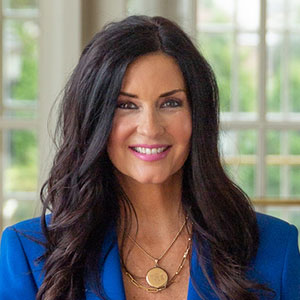
It can take only seconds for someone you’re counseling or coaching to decide whether they will trust and confide in you or if you are someone they choose to avoid and not engage at all. No matter what your approach and style are, if you are a counselor, coach or leader, you are always communicating something. Proverbs 15:7 says it is, “…wisdom that makes knowledge acceptable.” This workshop will help you gain greater insight into how you can become a more influential and effective leader.
Learning Objectives
Participants will:
- Learn principles about the advantage and power of continued growth in the impartation that comes from God, as well as the ability to relate to people from all backgrounds and walks of life by asking the right questions and questions that matter.
- Grow in their understanding of how to be more effective in the motivational gifts of the Holy Spirit, such as Exhortation, Encouragement, and Strengthening.
- Understand the truth about influence, so when they communicate effectively, people will listen and engage.
It can take only seconds for someone you’re counseling or coaching to decide whether they will trust and confide in you or if you are someone they choose to avoid and not engage at all. No matter what your approach and style are, if you are a counselor, coach or leader, you are always communicating something. Proverbs 15:7 says it is, “…wisdom that makes knowledge acceptable.” This workshop will help you gain greater insight into how you can become a more influential and effective leader.
Learning Objectives
Participants will:
- Learn principles about the advantage and power of continued growth in the impartation that comes from God, as well as the ability to relate to people from all backgrounds and walks of life by asking the right questions and questions that matter.
- Grow in their understanding of how to be more effective in the motivational gifts of the Holy Spirit, such as Exhortation, Encouragement, and Strengthening.
- Understand the truth about influence, so when they communicate effectively, people will listen and engage.

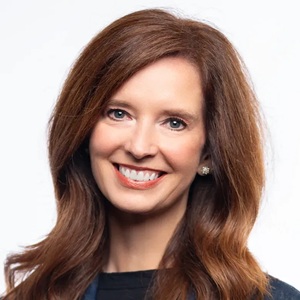
Individuals present with a wide range of emotional, relational, spiritual, and mental health needs, requiring thoughtful and structured approaches to care. This workshop introduces a comprehensive, relationally-based system of care designed to support individuals across varying levels of need—from initial support to deeper spiritual maturity and development. Participants will explore how structured care can promote well-being, strengthen relationships, and guide individuals toward meaningful faith-based growth. Emphasis will be placed on practical application, role clarity, and integrating supportive and biblically oriented care within the local church and organizational contexts.
Learning Objectives
Participants will:
- Describe key components of a relationally based system of care for supporting individuals across varying levels of need.
- Identify a comprehensive model that describes a spiritually sourced and relevant approach for both those seeking help and also those who are offering/providing care and counsel.
- Apply elements of this model through practical hands-on exercises.
Individuals present with a wide range of emotional, relational, spiritual, and mental health needs, requiring thoughtful and structured approaches to care. This workshop introduces a comprehensive, relationally-based system of care designed to support individuals across varying levels of need—from initial support to deeper spiritual maturity and development. Participants will explore how structured care can promote well-being, strengthen relationships, and guide individuals toward meaningful faith-based growth. Emphasis will be placed on practical application, role clarity, and integrating supportive and biblically oriented care within the local church and organizational contexts.
Learning Objectives
Participants will:
- Describe key components of a relationally based system of care for supporting individuals across varying levels of need.
- Identify a comprehensive model that describes a spiritually sourced and relevant approach for both those seeking help and also those who are offering/providing care and counsel.
- Apply elements of this model through practical hands-on exercises.
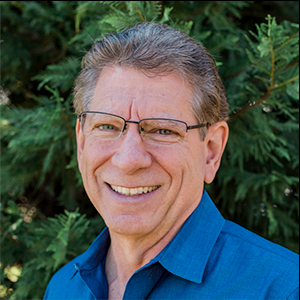
Life-altering circumstances—such as chronic illness, loss, or unexpected transitions—can significantly impact emotional and spiritual well-being, including one’s ability to function in helping roles. This workshop explores the concept of resilience in the face of ongoing adversity, with attention to how perspectives on the past and future influence present-moment functioning. Through personal reflection and practical faith-based insights, participants will gain tools to remain grounded, emotionally present, and supportive when walking alongside others through difficult and uncertain situations.
Learning Objectives
Participants will:
- Define resilience in the context of ongoing adversity and life-altering circumstances.
- Describe the importance of present-moment awareness for emotional regulation and effective caregiving.
- Identify how faith-based perspectives on past experiences and future concerns can impact one’s ability to practice appropriate self-care and support of others.
Life-altering circumstances—such as chronic illness, loss, or unexpected transitions—can significantly impact emotional and spiritual well-being, including one’s ability to function in helping roles. This workshop explores the concept of resilience in the face of ongoing adversity, with attention to how perspectives on the past and future influence present-moment functioning. Through personal reflection and practical faith-based insights, participants will gain tools to remain grounded, emotionally present, and supportive when walking alongside others through difficult and uncertain situations.
Learning Objectives
Participants will:
- Define resilience in the context of ongoing adversity and life-altering circumstances.
- Describe the importance of present-moment awareness for emotional regulation and effective caregiving.
- Identify how faith-based perspectives on past experiences and future concerns can impact one’s ability to practice appropriate self-care and support of others.
Trauma is universal. No one escapes its impact, influence, or isolation. These experiences can have a profound effect on a person, marriage, and family, as well as those around them who care deeply. There are numerous causes of trauma from childhood to adulthood: abuse, neglect, war, loss of a child, rape, to name a few. Trauma not only affects us intensely, but it also has strong spiritual components. Scripture indicates God knows what it’s like to lose a child, and that He hears the prayers and sees the tears of those who call out for help. This presentation emphasizes compassionate engagement, effective care strategies, and promoting healing within helping relationships.
Learning Objectives
Participants will:
- Identify the eight different types of trauma and their impact on emotional, relational, spiritual, and psychological functioning.
- Explain key principles in a faith-based approach to trauma recovery.
- Apply practical strategies utilizing the Up Armor Model to address compound and complex trauma that support healing and resilience.
Trauma is universal. No one escapes its impact, influence, or isolation. These experiences can have a profound effect on a person, marriage, and family, as well as those around them who care deeply. There are numerous causes of trauma from childhood to adulthood: abuse, neglect, war, loss of a child, rape, to name a few. Trauma not only affects us intensely, but it also has strong spiritual components. Scripture indicates God knows what it’s like to lose a child, and that He hears the prayers and sees the tears of those who call out for help. This presentation emphasizes compassionate engagement, effective care strategies, and promoting healing within helping relationships.
Learning Objectives
Participants will:
- Identify the eight different types of trauma and their impact on emotional, relational, spiritual, and psychological functioning.
- Explain key principles in a faith-based approach to trauma recovery.
- Apply practical strategies utilizing the Up Armor Model to address compound and complex trauma that support healing and resilience.

- Visit speaker's site
- Visit speaker's site
Individuals often struggle when facing life transitions, unresolved past experiences or uncertainty about what may lie ahead. LifeMapping® is a powerful, faith-based tool that captures key “pictures” from a person’s life story and was created to assist those you counsel and coach discover a more balanced pathway in moving forward. To answer the question, “Where do I go from here?” this workshop will explore how someone’s personal narrative, reflection, and goal setting can support growth and purposeful decision-making. It offers needed tools to help resolve past hurts and create a clear plan that has the right right spiritual alignment for a better future.
Learning Objectives
Participants will:
- Describe key elements of LifeMapping® that give people a structured framework to explore personal life experiences and in getting “unstuck.”
- Identify strategies for how LifeMapping helps clients envision and lay out a positive, more hopeful plan for a better future.
- Apply practical techniques to begin developing their own LifeMap® to support personal and professional growth as a counselor or coach.
Individuals often struggle when facing life transitions, unresolved past experiences or uncertainty about what may lie ahead. LifeMapping® is a powerful, faith-based tool that captures key “pictures” from a person’s life story and was created to assist those you counsel and coach discover a more balanced pathway in moving forward. To answer the question, “Where do I go from here?” this workshop will explore how someone’s personal narrative, reflection, and goal setting can support growth and purposeful decision-making. It offers needed tools to help resolve past hurts and create a clear plan that has the right right spiritual alignment for a better future.
Learning Objectives
Participants will:
- Describe key elements of LifeMapping® that give people a structured framework to explore personal life experiences and in getting “unstuck.”
- Identify strategies for how LifeMapping helps clients envision and lay out a positive, more hopeful plan for a better future.
- Apply practical techniques to begin developing their own LifeMap® to support personal and professional growth as a counselor or coach.
Thursday, October 1
Afternoon workshops 1:00 – 4:00 pm
Life Recovery is a faith based recovery model that integrates the principles of the Twelve Steps with spiritual and practical life application. This workshop provides an overview of the Life Recovery process and explores how recovery principles can be applied to addictions, compulsive behaviors, relational struggles, emotional wounds, and other life challenges. Participants will examine the purpose and progression of the Life Recovery steps, identify ways recovery principles support personal and professional resilience, and explore practical strategies for incorporating Life Recovery concepts into coaching, counseling, chaplaincy, and ministry settings.
Learning Objectives
Participants will:
- Describe the Steps of the Life Recovery process and their relevance to healing and transformation.
- Identify misconceptions about recovery and practical applications of recovery principles in daily life, as well as the role of faith, honesty, and community.
- Recognize common struggles experienced by helpers, including burnout, compassion fatigue, and unhealthy patterns where appropriate boundaries and emotional resilience are needed.
Life Recovery is a faith based recovery model that integrates the principles of the Twelve Steps with spiritual and practical life application. This workshop provides an overview of the Life Recovery process and explores how recovery principles can be applied to addictions, compulsive behaviors, relational struggles, emotional wounds, and other life challenges. Participants will examine the purpose and progression of the Life Recovery steps, identify ways recovery principles support personal and professional resilience, and explore practical strategies for incorporating Life Recovery concepts into coaching, counseling, chaplaincy, and ministry settings.
Learning Objectives
Participants will:
- Describe the Steps of the Life Recovery process and their relevance to healing and transformation.
- Identify misconceptions about recovery and practical applications of recovery principles in daily life, as well as the role of faith, honesty, and community.
- Recognize common struggles experienced by helpers, including burnout, compassion fatigue, and unhealthy patterns where appropriate boundaries and emotional resilience are needed.
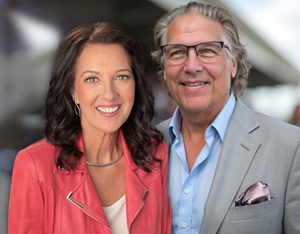
Communication can be the problem and communication can be the solution. Effective communication is essential for building trust, navigating conflict, and fostering meaningful relationships in counseling, coaching, and leadership contexts. This workshop explores communication as both a relational skill and a spiritual discipline. Participants will learn practical tools to uncover barriers, improve dialogue, and manage challenging conversations by fostering trust and healing.
Learning Objectives
Participants will:
- Learn practical strategies to identify and dismantle hidden “communication killers” and cultivate meaningful, productive dialogue at home, in the workplace, and with client and care relationships.
- Gain practical communication tools to confidently navigate critical, high stakes conversations—whether addressing sensitive issues, resolving tension, overcoming objections or inspiring collaboration and action.
- Discover how spiritual alignment can contribute to stronger, more effective communication that transforms conversations into meaningful connections.
Communication can be the problem and communication can be the solution. Effective communication is essential for building trust, navigating conflict, and fostering meaningful relationships in counseling, coaching, and leadership contexts. This workshop explores communication as both a relational skill and a spiritual discipline. Participants will learn practical tools to uncover barriers, improve dialogue, and manage challenging conversations by fostering trust and healing.
Learning Objectives
Participants will:
- Learn practical strategies to identify and dismantle hidden “communication killers” and cultivate meaningful, productive dialogue at home, in the workplace, and with client and care relationships.
- Gain practical communication tools to confidently navigate critical, high stakes conversations—whether addressing sensitive issues, resolving tension, overcoming objections or inspiring collaboration and action.
- Discover how spiritual alignment can contribute to stronger, more effective communication that transforms conversations into meaningful connections.
Effective communication is essential for coaches, counselors, and leaders to engage and influence others in meaningful ways. This workshop equips participants with practical tools and techniques to strengthen their communication platform, clarify their message, and connect with diverse audiences across a variety of settings. Through interactive learning, participants will develop needed skills to build credibility and expand their impact in both in-person and digital environments.
Learning Objectives
Participants will:
- Learn precision methods and key strategies to effectively engage audiences across the eight lanes of community influence.
- Master their message as a “Go To” subject matter expert to gain media exposure and maximize target audiences through high ASO (Ask Engine Optimization).
- Identify how their coaching story connects across different platforms and formats.
Effective communication is essential for coaches, counselors, and leaders to engage and influence others in meaningful ways. This workshop equips participants with practical tools and techniques to strengthen their communication platform, clarify their message, and connect with diverse audiences across a variety of settings. Through interactive learning, participants will develop needed skills to build credibility and expand their impact in both in-person and digital environments.
Learning Objectives
Participants will:
- Learn precision methods and key strategies to effectively engage audiences across the eight lanes of community influence.
- Master their message as a “Go To” subject matter expert to gain media exposure and maximize target audiences through high ASO (Ask Engine Optimization).
- Identify how their coaching story connects across different platforms and formats.
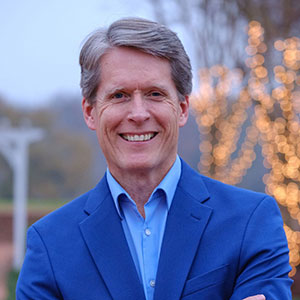
Significant mental and relational health challenges are increasingly prevalent within both societal and church communities. Yet, in most congregations, these overwhelming human needs are typically and historically cloaked in a combination of silence, secrecy, shame, and stigma. This presentation explores a biblically and clinically integrated model that can be utilized to understand the scope, sources, and solutions to the struggle. Participants will examine strategies for collaboration between clergy and pastoral leaders and licensed mental health professionals, with an emphasis on developing effective, ethical, and sustainable systems of care.
Learning Objectives
Participants will:
- Describe the scope and impact of mental and relational health concerns within underserved church and community settings, from both pastoral and clinical perspectives.
- Identify key system dynamics that influence effective collaboration between ministry leaders and mental health professionals.
- Explain models and methods in delivering clinically oriented best practices for mental and relational health care within church-based environments.
Significant mental and relational health challenges are increasingly prevalent within both societal and church communities. Yet, in most congregations, these overwhelming human needs are typically and historically cloaked in a combination of silence, secrecy, shame, and stigma. This presentation explores a biblically and clinically integrated model that can be utilized to understand the scope, sources, and solutions to the struggle. Participants will examine strategies for collaboration between clergy and pastoral leaders and licensed mental health professionals, with an emphasis on developing effective, ethical, and sustainable systems of care.
Learning Objectives
Participants will:
- Describe the scope and impact of mental and relational health concerns within underserved church and community settings, from both pastoral and clinical perspectives.
- Identify key system dynamics that influence effective collaboration between ministry leaders and mental health professionals.
- Explain models and methods in delivering clinically oriented best practices for mental and relational health care within church-based environments.
Many individuals struggle to set healthy boundaries due to fear of rejection, a desire to please others, or uncertainty about how to respond in difficult relationships. Establishing clear boundaries is essential for developing and maintaining respectful, healthy connections with family, friends, and others. In this presentation, participants will learn how to identify personal boundaries, establish emotionally healthy limits, and respond appropriately when those boundaries are violated.
Learning Objectives
Participants will:
- Identify common barriers that prevent individuals from establishing healthy boundaries and the relational impact of those barriers.
- Explain strategies for addressing the fear of rejection when setting boundaries in various relational contexts.
- Develop a personal action plan for establishing and maintaining healthy boundaries, including appropriate responses when boundaries are not respected.
Many individuals struggle to set healthy boundaries due to fear of rejection, a desire to please others, or uncertainty about how to respond in difficult relationships. Establishing clear boundaries is essential for developing and maintaining respectful, healthy connections with family, friends, and others. In this presentation, participants will learn how to identify personal boundaries, establish emotionally healthy limits, and respond appropriately when those boundaries are violated.
Learning Objectives
Participants will:
- Identify common barriers that prevent individuals from establishing healthy boundaries and the relational impact of those barriers.
- Explain strategies for addressing the fear of rejection when setting boundaries in various relational contexts.
- Develop a personal action plan for establishing and maintaining healthy boundaries, including appropriate responses when boundaries are not respected.
Coaches, helping professionals, and ministry leaders often face significant challenges in having a vibrant and successful practice. Many experience uncertainty, discouragement, and frustration as they attempt to identify effective and sustainable strategies through the services they offer. This workshop introduces the I Lead In Love and Equipping Method™, a step-by-step faith-based framework designed to foster rapid skill development, improve client engagement, and support meaningful transformation. Emphasis will be placed on evidence-informed interventions that provide clients with practical tools and immediate solutions for real-life challenges. The growing need for mental health and discipleship support within churches, ministries, and faith-based organizations will also be addressed.
Learning Objectives
Participants will:
- Apply clinically informed and faith-integrated tools from the I Lead In Love and Equipping Method™ to help clients address emotional, relational, and spiritual challenges with practical, solution-focused interventions.
- Identify key elements of the Equipping Method to help clients with emotional regulation and faith-based thinking.
- Evaluate strategies for expanding outreach within churches, ministries, and community organizations to effectively respond to the increasing mental health needs and the desire for spiritual care and support.
Coaches, helping professionals, and ministry leaders often face significant challenges in having a vibrant and successful practice. Many experience uncertainty, discouragement, and frustration as they attempt to identify effective and sustainable strategies through the services they offer. This workshop introduces the I Lead In Love and Equipping Method™, a step-by-step faith-based framework designed to foster rapid skill development, improve client engagement, and support meaningful transformation. Emphasis will be placed on evidence-informed interventions that provide clients with practical tools and immediate solutions for real-life challenges. The growing need for mental health and discipleship support within churches, ministries, and faith-based organizations will also be addressed.
Learning Objectives
Participants will:
- Apply clinically informed and faith-integrated tools from the I Lead In Love and Equipping Method™ to help clients address emotional, relational, and spiritual challenges with practical, solution-focused interventions.
- Identify key elements of the Equipping Method to help clients with emotional regulation and faith-based thinking.
- Evaluate strategies for expanding outreach within churches, ministries, and community organizations to effectively respond to the increasing mental health needs and the desire for spiritual care and support.
Afternoon Pre-Conference Workshops
Offered on Thursday, October 19 from 1:00-4:00 pm
Presented by



© 2026 Hope Together Conference